

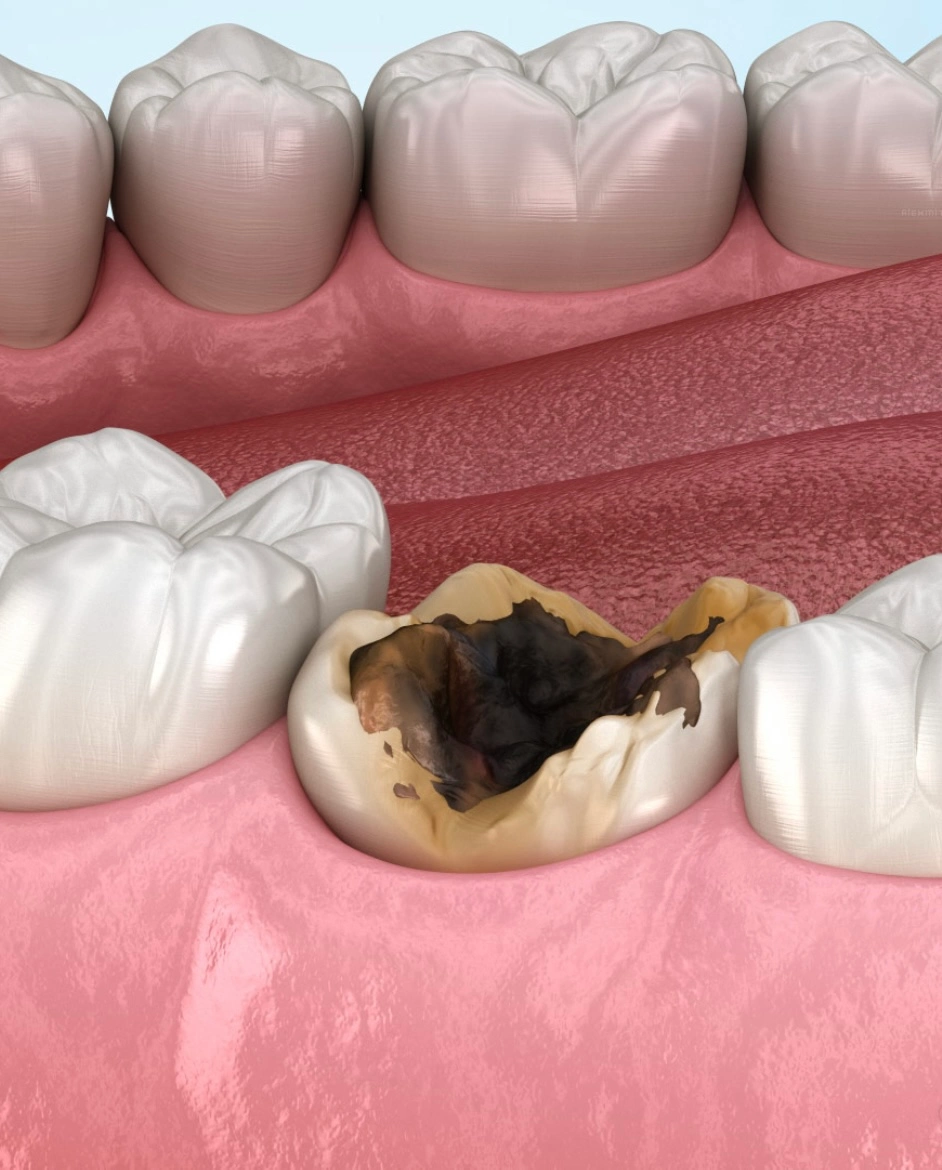
Conservative dental treatment is the specialty whose basic philosophy is to "protect", aiming to treat dental problems without the need for surgical procedures and without disturbing the healthy structure of the tooth.
In our clinic, after the first examination, our priority is to stop the loss of tooth tissue and, by cleaning existing decay, to restore the tooth to its former function and aesthetics. Remember, the best tooth is your own natural tooth.
Contents
What Is Conservative Treatment?
This treatment branch centers on the protection of tooth tissue. It includes cleaning a decay that has formed before it reaches the nerves, filling the lost tissue with biocompatible materials, and extending the tooth's lifespan in the mouth.
Aesthetic Filling (Restoration) Methods
Today, metal (amalgam) fillings have been replaced by composite fillings that match the tooth color exactly. Filling treatment is not just about filling the cavity, but about rebuilding the anatomical form of the tooth (its cusps and grooves).
- Composite Fillings: Light-cured, tooth-colored materials with high durability.
- Inlay and Onlay Restorations: Porcelain fillings prepared in the laboratory for substance loss that is too large for a classic filling and too small for a crown.
Preventive Dentistry Note:
The most effective conservative treatment is to ensure that decay never forms. Regular check-ups and early diagnosis protect you from more complex processes such as root canal treatment or tooth extraction.
How Do We Prevent Decay Formation?
The preventive applications and recommendations we offer our patients in our clinic are:
- Fissure Sealant Applications: Preventing food accumulation by sealing the deep grooves on the chewing surface of the teeth.
- Proper Hygiene Education: Personalized planning of tooth brushing and interdental brush use.
- Nutrition Counseling: Helping to develop tooth-friendly eating habits.