

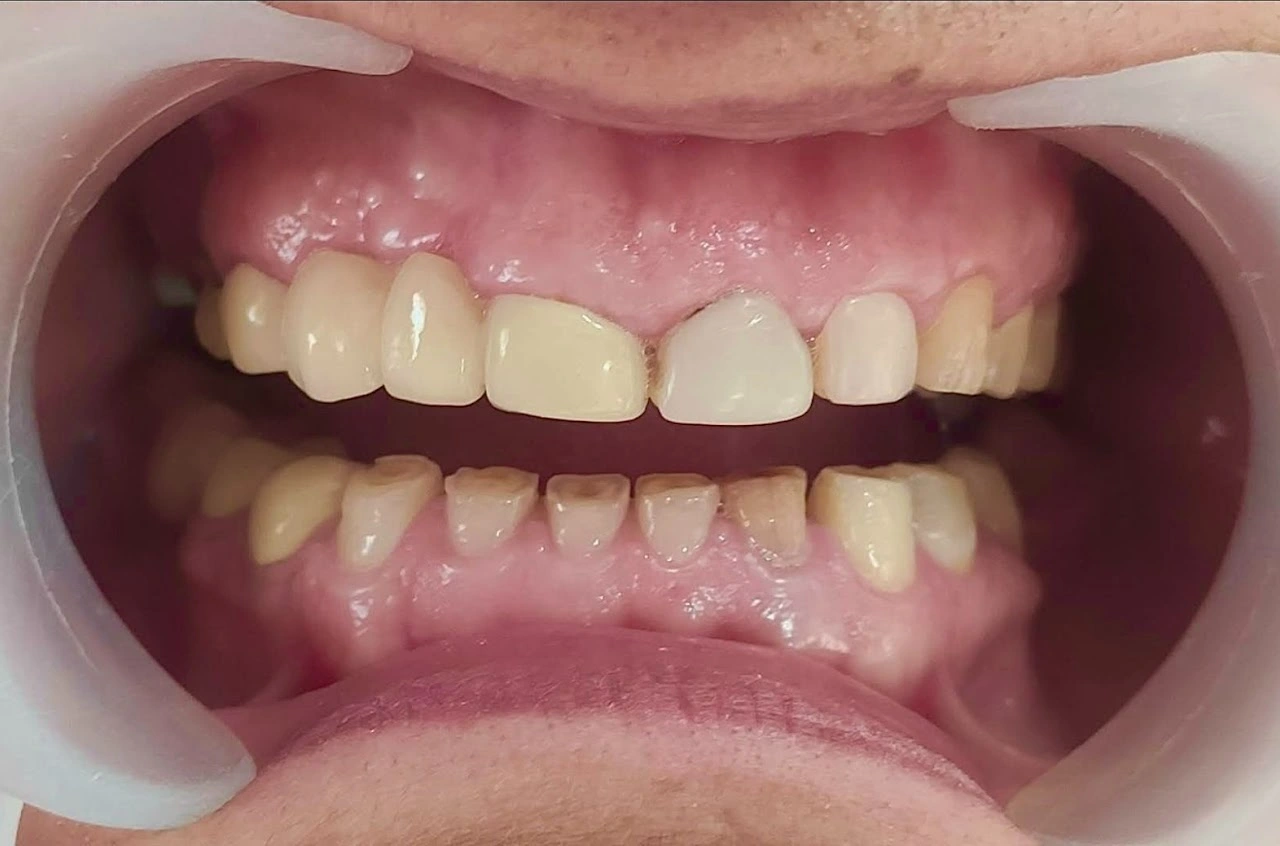
Bruxism is a condition in which a person unconsciously clenches, grinds or presses their teeth together. This problem, usually caused by stress and anxiety, can occur both while awake and during sleep (nocturnal bruxism).
Untreated teeth-grinding habits over time lead to serious wear on the chewing surfaces of the teeth, fracture of restorations (fillings, crowns) and chronic pain that reduces quality of life.
Contents
What Are the Symptoms of Bruxism?
The most common complaints in individuals with bruxism are:
- Waking up with jaw and facial pain radiating to the front of the ear in the mornings.
- Chronic headaches concentrated in the temple region.
- A clicking sound from the jaw joints (TMJ) when opening and closing the mouth.
- Increased tooth sensitivity and gum recession.
Damage to Teeth and Jaw
On teeth subjected to uncontrolled force, the enamel layer wears down and the underlying dentin layer is exposed. This causes the teeth to shorten and lose aesthetics. In addition, the excessive load on the jaw joint disrupts the structure of the joint disc, paving the way for more advanced problems such as jaw locking.
Critical Information:
Teeth grinding affects not only the teeth but also the facial contour. Constantly working chewing muscles (masseter) can enlarge over time, causing the face to take on a more square and hard appearance.
Masseter Botox Application
Today, one of the most effective and comfortable methods in bruxism treatment is Botox application. In this treatment method:
- Muscle Relaxation: Botox is injected into the chewing muscles (masseter and temporal muscles), temporarily reducing their excessive contraction force.
- Pain Control: Because the function of the muscles is reduced, the pressure on the joint is relieved and pain quickly subsides.
- Aesthetic Contribution: As the overgrown muscles shrink, the facial line gains a thinner, more aesthetic (V-line) appearance.
Night Guard (Occlusal Splint)
Custom-made clear night guards prepared with personalized measurements prevent the teeth from contacting each other during sleep, stopping wear and protecting the joint. When combined with Botox treatment, they provide the highest success rate.
Frequently Asked Questions
No. The application only balances excessive force; it does not affect your normal eating and chewing functions.
Although it varies from person to person, the effect lasts on average 4-6 months. With regular applications, this period can be extended because the muscles learn "not to clench".
Untreated bruxism can lead to permanent wear of the tooth enamel, shortening of the teeth, gum recession and, most importantly, disruption of the jaw joint (TMJ) structure leading to jaw locking.